
4 Ways Community Living Can Reduce Isolation for Older Adults
Community living offers older adults a meaningful opportunity to experience connection, comfort, and a sense of belonging. As individuals age, isolation can become a significant concern, especially when daily routines feel quiet or disconnected. Senior communities are designed to counter these challenges by creating environments where residents feel supported, understood, and encouraged to participate in daily life. Communities offering Active Independent Living in The Woodlands, TX demonstrate how thoughtful programming, person-centered practices, and shared experiences can help reduce isolation and strengthen emotional well being.
Shared Environments That Encourage Natural Interaction
One of the most effective ways community living reduces isolation is through shared environments that promote natural interaction. Older adults benefit from having access to inviting lounges, peaceful outdoor areas, and comfortable gathering spaces where casual conversation can unfold. These areas are intentionally designed to feel welcoming and familiar, helping residents feel at ease when spending time outside their private living spaces.
Wide hallways, clear pathways, and well lit common areas also support ease of movement, allowing residents to explore their surroundings with confidence. When individuals feel comfortable navigating the community, they are more likely to participate in daily experiences and connect with neighbors. This gentle encouragement toward interaction helps create a sense of belonging that reduces feelings of isolation.
Social Opportunities That Support Emotional Connection
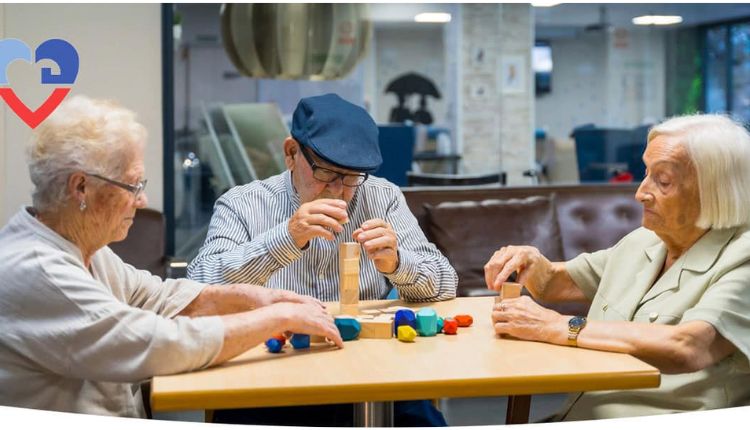
Community living provides structured and informal social opportunities that help residents build meaningful relationships. Older adults often feel more connected when they can participate in shared experiences such as creative workshops, group discussions, music sessions, or community gatherings. These activities are designed to be accessible and enjoyable, offering residents a chance to express themselves, learn something new, or simply enjoy time with others.
For residents living with Parkinson’s or other conditions, adaptable social opportunities ensure comfort without implying constant supervision. Care teams help individuals engage in ways that feel natural and reassuring, promoting confidence and emotional balance. When social experiences reflect personal preferences and comfort levels, residents feel more connected and supported, reducing the likelihood of isolation.
Predictable Routines That Create Daily Stability
Predictable routines play a meaningful role in reducing isolation by creating a sense of stability and familiarity. Community living offers daily schedules that include mealtimes, wellness activities, social experiences, and quiet reflection periods. This structure helps residents feel grounded and reassured, especially those experiencing cognitive changes.
When individuals know what to expect throughout the day, they are more likely to participate in activities and interact with others. Consistent routines also help care teams anticipate resident needs and provide support in ways that feel respectful and encouraging. This dependable rhythm fosters emotional comfort and helps residents feel connected to the community around them.
Personalized Support That Encourages Engagement
Personalized support is essential for helping older adults feel confident and included. Community living allows care teams to learn each resident’s preferences, routines, and comfort levels, ensuring that daily interactions feel natural and respectful. When support is tailored to individual needs, residents feel understood and more willing to participate in community life.
For residents living with Parkinson’s or other conditions, adaptable guidance helps maintain comfort without implying constant supervision. Care teams can gently encourage participation, offer reminders, and provide reassurance as needed. This person-first approach helps residents feel more confident navigating their day, reducing feelings of isolation and promoting meaningful engagement.
Conclusion
Community living reduces isolation for older adults by offering shared environments that encourage interaction, social opportunities that support emotional connection, predictable routines that create stability, and personalized support that promotes engagement. These elements work together to create surroundings where residents feel respected, comfortable, and reassured. When senior communities prioritize connection, dignity, and emotional well being, they help older adults enjoy a more fulfilling and grounded everyday lifestyle.